
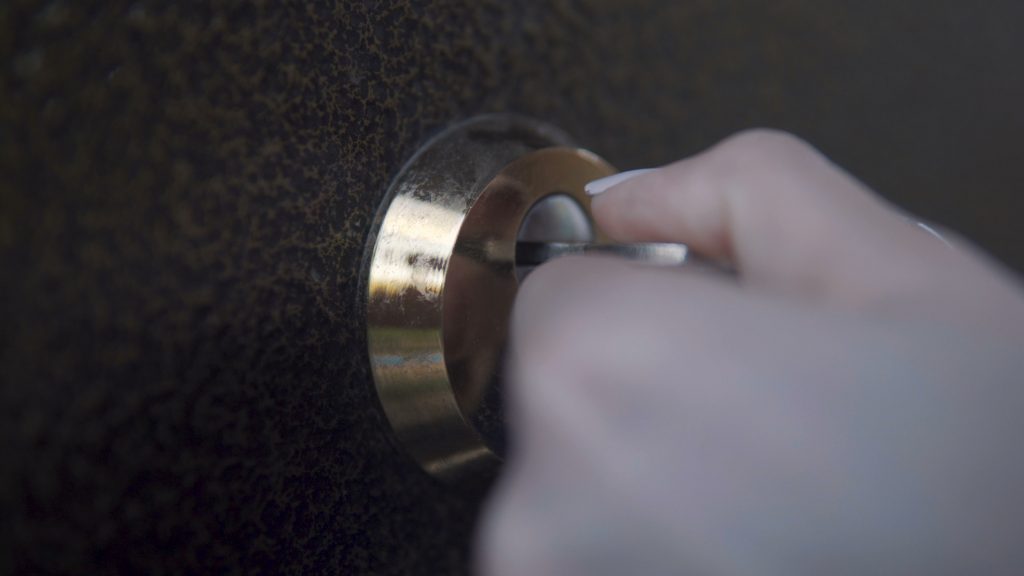
Your Key Maker regularly helps Ottawa homeowners who are staring at a broken key in a door lock, usually at the worst possible moment. One half is in your hand, the other half is wedged in the cylinder, and the door will not budge. It feels like a disaster, yet a broken key in a door lock is a common problem with a clean, straightforward fix.
This guide explains why keys snap, what to do in the first few minutes, and how a locksmith removes the piece without wrecking your lock. Knowing the steps helps you avoid the mistakes that turn a small issue into a bigger one.
Why Keys Break Off in the First Place
A key does not snap out of nowhere. It usually fails after months of small warnings that are easy to miss.
Years of daily use wear a key thin, especially around the shoulders and the cuts. A thin, worn key is simply weaker than a fresh one. Add a stiff or dry cylinder, and the extra force needed to turn it finds the weakest point.
Winter makes it worse. A cold, slightly frozen lock resists turning, so people push harder. That combination of a tired key and a stubborn lock is exactly how a broken key in a door lock happens.
First Steps When You Find a Broken Key in a Door Lock
The first few minutes matter. The right moves keep the fix simple, while the wrong ones push the piece deeper or scratch the cylinder.
First, stop turning. If the stub is still partly turned, a gentle return to the neutral upright position can help, but never force it. Second, resist the urge to improvise. Glue, wire, and tweezers usually make things worse.
Leave the broken piece where it is and keep the area dry. Then call a locksmith. A clean extraction by the right tools protects both the lock and your door.
How a Locksmith Removes a Broken Key in a Door Lock
Professional extraction is quick when the cylinder is intact. A locksmith uses slim extraction tools that slide alongside the broken piece and grip its cuts.
With a steady pull, the stub comes free. The cylinder is then checked for wear or damage, cleaned, and lubricated. In most cases your existing lock is perfectly fine and simply needs a freshly cut key.
If the cylinder has taken damage, our residential locksmith team can repair or replace it on the spot. Either way, you leave with a working door and a key that turns smoothly again.
The whole visit is usually short. Because a locksmith carries the right extraction tools and key-cutting gear, the broken piece comes out and a replacement key is cut in one stop, rather than over several trips.
DIY Attempt vs. Calling a Professional
It is tempting to dig the piece out yourself. The table below shows why a careful call usually beats a rushed attempt.
| Approach | Likely result | Risk to the lock |
|---|---|---|
| Professional extraction | Clean removal, lock saved | Low |
| Tweezers or pliers | Piece pushed deeper | Moderate |
| Glue on the stub | Glued pins, ruined cylinder | High |
| Forcing a spare key | Second broken key | High |
When you need help choosing a professional anywhere in the country, the Associated Locksmiths of America maintains a find-a-locksmith directory and standards worth knowing about.
Why Spare Keys Save the Day
A single, tired key doing all the work is a break waiting to happen. Spreading the load across fresh copies is the easiest prevention there is.
When you have a good spare, you can retire a worn key the moment it starts to stick. You also have a ready backup if a key ever does snap, so a broken piece in the lock never leaves you stranded outside. Cut spares from a crisp original rather than a worn one, since a copy of a copy carries the same weak cuts.
Store at least one spare somewhere secure and off your keyring. A trusted neighbour, a lockbox, or a safe spot at work all beat hiding one under a mat.
Preventing the Next Broken Key
A broken key is often the end of a long decline you can catch early. A little attention saves the hassle.
Replace keys that look worn, bent, or thin before they fail. Lubricate stiff cylinders with a dry lubricant rather than forcing them. If a lock has started to stick, have it checked before the cold season makes it worse.
Keeping a spare key in a safe spot is the simplest insurance of all. When one key tires out, you are never left relying on it alone.
Signs Your Lock Needs Attention Before a Key Snaps
A key almost never breaks without warning. The lock usually tells you something is wrong first, if you are listening.
Watch for a key that needs jiggling to turn, a cylinder that feels gritty, or a bolt that drags as it moves. These are signs of wear, dirt, or misalignment that put extra strain on every key you insert.
Address these early and you avoid the snap entirely. A quick clean, a fresh lubricant, or a minor adjustment through our professional lock repair keeps the mechanism smooth. A lock that turns easily is a lock that rarely breaks a key.
Frequently Asked Questions
Can a locksmith remove a broken key from a lock?
Yes. A locksmith uses extraction tools to grip and withdraw the broken piece without harming the cylinder. In most cases the lock can be saved and the key re-cut.
Will I need a whole new lock if my key breaks off?
Not usually. If the cylinder is undamaged, the broken piece comes out and the lock keeps working. A new lock is only needed when the cylinder itself is worn or damaged.
Why do house keys snap in the lock?
Keys wear thin over years of use, and a worn key is weaker. Cold weather, a stiff cylinder, and forcing a stubborn lock all add stress that can finish off a tired key.
What should I do right after a key breaks in the lock?
Stop turning the stub, since that can push it deeper. Leave the door as it is, avoid glue or wire, and call a locksmith to remove the piece cleanly.
Talk to a Local Ottawa Locksmith
A broken key in a door lock is stressful, but it rarely means a ruined lock when it is handled the right way. Call Your Key Maker at 613-909-9821 to speak with a local locksmith. Our shop is at 12 Pelham Cres in Richmond, Ontario, and we serve Ottawa and the surrounding communities Sunday through Thursday from 7:30 am to 11:00 pm, and Friday from 7:30 am to 5:00 pm.