
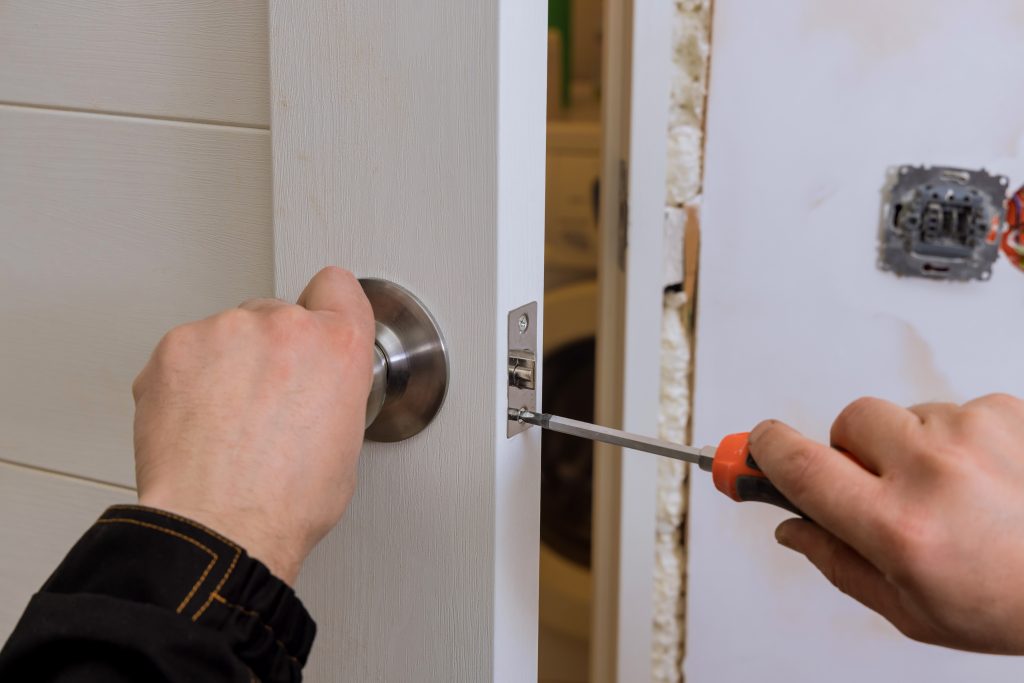
Deadbolt placement mistakes can weaken a door fast. Therefore, a strong lock can still fail when the door and frame cannot hold force. Your Key Maker checks placement first because it controls real strength. A deadbolt works best when the bolt, strike, and framing share the load.
Why placement matters more than the lock brand
A deadbolt does not protect a door by itself. Consequently, the door edge and the jamb must support the bolt under stress. If the wood cracks, the lock loses its advantage. If the strike sits in weak trim, it can pull free.
Many people shop for stronger hardware first. However, they keep the same weak location on the door. That choice wastes money and time. In other words, the best hardware still needs the right position and support.
If you want a full overview of help in Ottawa, visit locksmith services Ottawa. It explains common fixes for entry doors and lock upgrades.
deadbolt placement mistakes on the door edge
deadbolt placement mistakes often start with drilling too close to the door edge. As a result, the remaining wood becomes thin. Thin wood splits easier during impact. It also holds screws less securely.
Another problem comes from drilling into damaged wood. For example, old holes can leave cracks near the new bore. Patches can look fine but stay weak inside. Your Key Maker checks the edge condition before drilling. The goal is clean wood with strong support.
A third issue involves narrow stiles. Some doors have limited solid wood beside glass panels. Therefore, the deadbolt sits in a weak section. The lock may work, but the door does not resist force well. A better location uses the widest solid area.
Mistakes in height and spacing that cause splits
Deadbolt height affects strength. Consequently, a deadbolt placed too close to the knob can weaken the area between holes. That narrow strip can split along the grain. This risk grows on dry or older doors.
Spacing also matters on the frame. The strike must land in strong wood. If it lands in a hollow spot, the frame can tear. In other words, the bolt needs a solid pocket behind the plate.
Your Key Maker chooses a height that keeps strong wood around the bore. The team also confirms the frame can take longer screws. If you want details for home entries, see residential locksmith Ottawa.
Strike plate placement errors that ruin the bolt
Many homeowners ignore the strike plate. However, the strike holds the bolt under force. If it fails, the deadbolt fails.
One mistake is mounting the strike on decorative trim. As a result, the trim cracks and the plate shifts. Another mistake is cutting a sloppy pocket. The bolt then rattles and hits edges. That movement reduces holding power.
Short screws create another weakness. Therefore, the strike may only grip the jamb skin. It should grip deeper framing when possible. Your Key Maker installs the strike where solid structure exists. The team also aligns the plate to the bolt’s travel path.
For stronger upgrade options, review deadbolt lock installation high security hardware Ottawa. It helps match hardware to the door type and risk level.
Misalignment problems that cause partial throws
A deadbolt must throw fully to resist prying. Consequently, misalignment can reduce strength even when the lock feels “okay.” The bolt can bind and stop early. That leaves less metal in the frame.
Misalignment often comes from hinge sag. The door drops and shifts the bolt path. Weather stripping can also push the door outward. In other words, the door sits in a new position, but the strike stays old.
You can test this quickly. Close the door gently. Turn the key or thumbturn. If it feels tight, alignment needs work. Your Key Maker adjusts the strike and the pocket so the bolt seats smoothly.
If you face an urgent lock issue, use emergency home lockout assistance 24 7. It helps you regain access without adding damage that harms alignment.
Placing a deadbolt on the wrong door setup
Some doors need reinforcement before any deadbolt helps. For instance, hollow core doors offer limited strength at the edge. Doors with large glass sections also limit solid wood. If you force a deadbolt into a weak area, it will not perform well.
Frame condition also matters. Rot, soft wood, and loose jambs reduce holding power. Therefore, repairs can matter more than a new lock. Your Key Maker inspects the door, frame, and hinges as one system. Then the team places the deadbolt in the strongest zone.
A simple checklist to avoid weak placement
Firstly, check the door edge for cracks and old patches. Replace or reinforce weak areas before drilling. Secondly, confirm the bolt path lines up with the frame. Mark the strike with the door closed in its natural position. Thirdly, keep enough distance from the knob hole. That reduces splitting risk. Moreover, tighten hinges and correct sag before final alignment.
Most importantly, treat the install as a strength job, not a hardware swap. Your Key Maker focuses on load paths and solid anchoring. That approach reduces deadbolt placement mistakes and improves real protection.
If you also secure side gates, garage entries, or mailboxes, garage mailbox gate lock solutions Ottawa covers those lock types too.
FAQs
What is the most common placement mistake with a deadbolt?
People place the strike on trim or weak jamb wood. Consequently, the plate pulls out under force and the bolt loses support.
Can a deadbolt sit too close to the door knob?
Yes. Therefore, the wood between holes can split, especially on older doors or dry wood.
Why does my deadbolt feel stiff when I lock it?
The bolt often rubs the strike or the pocket edge. In other words, alignment needs adjustment so the bolt seats fully.
Do longer screws really improve strength?
Yes, certainly. Longer screws can reach stronger framing behind the jamb and hold the strike more securely.
Should I reuse old deadbolt holes during a replacement?
Not always. For example, old holes can hide cracks or thin wood, which can weaken a new install.