
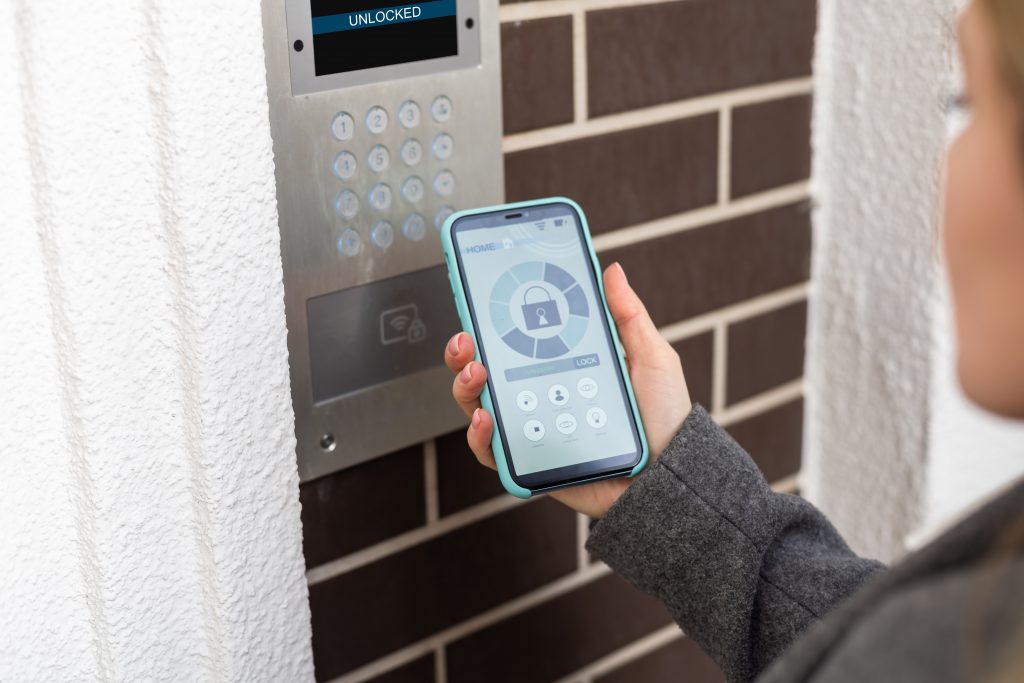
Your Key Maker recommends high security lock installation Ottawa homeowners can rely on when a front door still uses original builder-grade hardware. Standard locks work fine for years, right up until someone tests the weak point with a screwdriver or a shoulder. This guide explains why upgraded hardware matters. It also covers what separates a high-security cylinder from a basic one, and how installation actually works.
Why Standard Locks Fall Short
Most homes built in the last few decades ship with entry-level deadbolts. These locks satisfy building code but were never designed to resist a determined attempt at forced entry. The pins are simple, the strike plate is often held by short screws, and the cylinder can be picked or bumped by anyone with basic tools.
None of that means a break-in is inevitable. It does mean the weakest point in most homes is the front door hardware, not the wall or the window. Upgrading that one component closes a gap that standard locks were never built to cover.
What Makes High Security Lock Installation Different
High security lock installation Ottawa homeowners request usually centers on three features: pick resistance, drill resistance, and controlled key duplication. A quality cylinder uses hardened inserts around the pins so a drill bit skids instead of cutting through. Patented keyways also mean blanks cannot be copied at a random hardware kiosk without your authorization.
| Lock Type | Best Use | Security Level |
|---|---|---|
| Standard pin tumbler deadbolt | Interior doors, low-risk entries | Basic |
| Reinforced deadbolt with hardened cylinder | Primary exterior doors | Enhanced |
| High-security cylinder with restricted keyway | Front and back entry doors | High |
| Smart lock with encrypted access | Convenience plus monitored entry | High, with added features |
| Multi-point locking system | Patio doors, French doors | High |
Independent testing bodies rate lock hardware for these exact resistance categories. UL publishes standards that many manufacturers use to certify their high-security products before they reach the market.
Industry Estimates Worth Knowing
Security researchers who study residential break-ins generally agree on one pattern, according to industry estimates from crime prevention groups. Forced entry through the front door is far more common than a window or back-door attempt. Attackers also tend to spend only a short window at the door. Most move on if the hardware resists their first few attempts. A visible upgrade can act as a deterrent even before anyone tries the handle.
These patterns are one reason insurers and security consultants increasingly ask about deadbolt grade and cylinder type when assessing a home. The hardware itself is a small part of a home’s overall build, but it plays an outsized role in whether an attempted break-in succeeds.
Signs Your Home Needs a Security Upgrade
Some homes clearly need new hardware, while others could wait. A few warning signs make the decision easier.
- The front door lock is original to a house built more than fifteen years ago
- Keys have been given to contractors, cleaners, or short-term guests over the years
- The strike plate is held by short screws that barely reach the door frame
- A previous owner never changed the locks after the sale closed
- The deadbolt only extends a short distance into the frame when locked
Any one of these on its own may not be urgent. Several together are a reasonable trigger to schedule an inspection.
How High Security Lock Installation Works
A proper high security lock installation Ottawa technician starts with an assessment of the door itself, not just the lock. A reinforced cylinder means little if the door frame is soft or the hinges are original builder-grade screws. Our team checks the frame, the strike plate, and the hinge screws before recommending hardware.
Once the door is confirmed sound, installation typically takes under an hour per door for standard replacements. Multi-point systems on patio or French doors take longer, since the mechanism runs the full height of the door rather than a single point.
DIY vs Professional Installation
Some homeowners consider installing high-security hardware themselves. It’s worth understanding what changes when a professional handles it instead.
| Approach | What You Get | Risk Level |
|---|---|---|
| DIY installation | Basic hardware swap using existing holes | Moderate, alignment issues common |
| Professional installation | Frame and strike plate inspection included | Low, hardware matched to door condition |
| Professional installation with reinforcement | Full door hardening, including hinge upgrades | Lowest, addresses root weak points |
A lock is only as strong as the door and frame holding it. Installing premium hardware into a weak frame leaves the same vulnerability in a different spot. Our dedicated hardware upgrade team always includes a frame check before any hardware goes in.
What to Expect During a Service Visit
Homeowners booking high security lock installation Ottawa appointments often ask what the visit actually involves. The process starts with a walkthrough of every exterior entry point, not just the front door. Our technician notes the condition of each frame, hinge, and existing cylinder before recommending specific hardware.
After the assessment, we explain the options in plain terms rather than technical jargon. Some doors only need a cylinder swap, while others benefit from a full deadbolt and strike plate replacement. You approve the plan before any work begins, and an honest recommendation follows the assessment rather than a generic package.
Once work starts, most single-door upgrades wrap up the same visit. We test the new lock several times before leaving, checking that the bolt throws smoothly and the door latches without extra force.
Pairing Locks With Other Home Security Upgrades
A strong front door lock works best as part of a broader plan rather than a standalone fix. Homeowners upgrading their entry hardware often address a few related areas at the same time.
Reinforced strike plates and longer screws anchor into the actual door stud, not just the trim. Adding a deadbolt with high-security hardware to a back or side entry closes a gap many homeowners overlook. Pairing hardware upgrades with a broader residential locksmith review of every exterior door gives a clearer picture of where the home still has soft spots.
Garages, sheds, and gates deserve the same attention as the front door, since they are frequently the easier target. Our garage and gate lock options extend the same resistance standards to those secondary entry points.
Frequently Asked Questions
Is high-security hardware worth it for an average home? Most break-in attempts target the easiest entry point available. Upgrading standard hardware removes an easy target and adds meaningful resistance without changing the look of your door.
Can high-security locks be installed on any door? Most exterior doors accept an upgraded cylinder. The surrounding frame sometimes needs reinforcement first, which our technician checks during the initial assessment.
Do high-security keys work with existing key copies? No. Restricted keyways require new keys cut specifically for that lock, which is part of what prevents unauthorized duplication down the road.
How often should locks be inspected? An annual check is reasonable for most homes. Also inspect any time a key sticks, a door doesn’t latch cleanly, or a lock feels loose.
Does upgrading locks affect home insurance? Some insurers offer reduced premiums for verified high-security hardware, though homeowners should confirm details directly with their provider.
Contact Your Key Maker
Your Key Maker installs high-security hardware for homes throughout Ottawa and the surrounding area. Call (613) 909-9821 or email yourkeymaker.ca@gmail.com to schedule an assessment. The shop is located at 12 Pelham Cres, Richmond, ON, K0A 2Z0. Hours run Sunday through Thursday from 7:30am to 11pm and Friday from 7:30am to 5pm, with the shop closed Saturdays.