
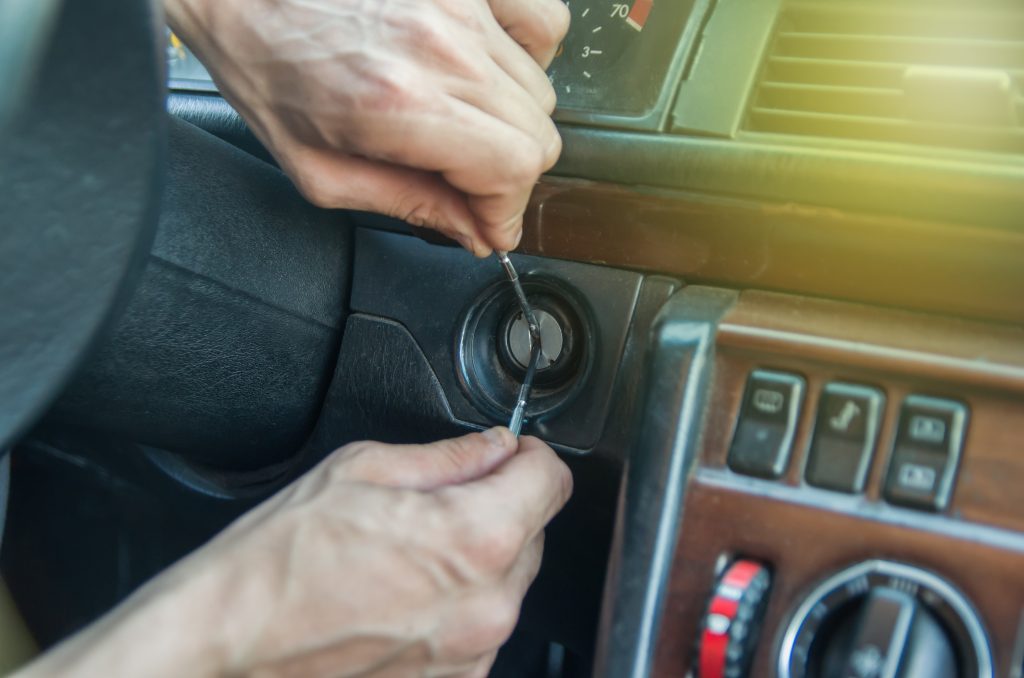
Most drivers never think about their car key until something goes wrong. When a key snaps, the first instinct is frustration — but the real problem is often what you can’t see. Your Key Maker has helped hundreds of Ottawa drivers deal with the aftermath of a broken car key, and the damage goes far beyond the key itself. If you’ve ever experienced a snapped car key situation, understanding the full scope of the problem can save you time, money, and serious headaches.
Why Car Keys Break in the First Place
Car keys aren’t indestructible. Over time, metal fatigues, especially when keys endure daily stress — being forced into a stiff lock, dropped repeatedly, or kept in a pocket with heavy items. Transponder keys and smart keys carry additional vulnerabilities because they house delicate electronics inside a plastic casing. Once the casing cracks or the key bends slightly, the internal chip can shift or break entirely.
Weather also plays a role. In Ottawa’s harsh winters, metal contracts in the cold. Inserting a brittle, cold key into a frozen lock under pressure creates the perfect conditions for a snap. The break might happen at the base, mid-shaft, or right at the bow — and each location creates a different type of problem.
The Immediate Risks of a Snapped Car Key
The most obvious issue is that you’re locked out. Beyond that, a snapped key often leaves a fragment lodged inside the lock cylinder or ignition. That fragment doesn’t just sit there harmlessly. It can jam the cylinder, scratch internal pins, and prevent any new key from functioning correctly.
Attempting to remove a stuck key fragment with household tools — tweezers, bobby pins, or screwdrivers — almost always makes things worse. Pushing the fragment deeper damages the cylinder pins. Scratching the ignition barrel so severely can mean the entire ignition switch needs replacement. That repair can cost several hundred dollars or more, compared to the relatively low cost of professional broken car key extraction.
Damage to the Ignition Cylinder
The ignition cylinder is a precision mechanism. Every pin inside it corresponds to a specific cut on your key. When a broken fragment grinds against those pins during failed removal attempts, the alignment shifts. Even a freshly cut replacement key may struggle to turn the ignition afterward.
In worst-case scenarios, the cylinder locks up completely. At that point, a locksmith must either rekey the cylinder or replace it entirely. Neither option is cheap, and both take significantly longer than a clean extraction done at the outset. Calling a professional immediately after a key breaks is always the smarter move.
Damage to Door Locks
Not every snapped key breaks in the ignition. Many break inside door locks, particularly during winter when drivers force cold keys into stiff cylinders. A fragment in a door lock creates similar problems — the lock may turn partially but fail to release, or it may seize entirely.
Door lock cylinders, like ignition cylinders, contain delicate pin stacks. A jammed fragment can bend or dislodge those pins, meaning the lock no longer responds correctly to the correct key. Replacing a door lock cylinder also means rekeying it to match your other locks, adding time and cost to what started as a simple problem.
Professional locksmith services in Ottawa have the specialized tools to extract fragments from door locks without disassembling the entire mechanism. Speed matters here — the longer a fragment sits and gets pushed around, the more damage accumulates.
The Electronic Damage Nobody Talks About
Modern car keys are more than metal. Most vehicles built after the mid-1990s use transponder keys, and many newer models use proximity smart keys. When these keys snap, the embedded chip or circuit board breaks along with the physical key.
A damaged or destroyed transponder chip means your car won’t start even if you insert the correct metal cut into the ignition. The vehicle’s immobilizer system requires a signal from the chip to authorize engine start. Without that signal, the engine simply won’t turn over.
Replacing a transponder key requires programming specific to your vehicle’s make, model, and year. Hardware store key cutters cannot handle this job. You need a locksmith with the right diagnostic equipment to perform car key replacement and duplication correctly.
How Modern Locks React to Key Damage
High-security vehicles and those equipped with advanced lock systems respond poorly to key-related damage. Some vehicles enter a lockout mode when the ignition detects repeated failed start attempts — a safety feature that, in this context, works against you. Others log errors to the ECU that require dealer-level diagnostic tools to clear.
If your vehicle uses a smart lock or keyless entry system, a snapped key fob can disable the entire entry protocol. Remote unlocking may stop working entirely, and push-button start can become unresponsive. Smart lock installation has made vehicles more secure, but it has also made key-related damage more complex to resolve.
Upgrading After the Damage Is Repaired
A snapped key is an inconvenient event, but it’s also a useful signal. If your key broke because the lock was stiff, worn, or poorly maintained, that lock needs attention. Many Ottawa drivers use this moment to assess whether their current lock system still meets their security needs.
High-security lock installation is worth considering if your vehicle or property locks are aging. Modern high-security cylinders resist wear, picking, and key-related failure more effectively than older designs. The investment often pays for itself in avoided repairs and improved peace of mind.
What You Should Do Immediately After a Key Snaps
Do not attempt self-extraction. Do not insert a spare key on top of a broken fragment. Assuming the fragment will come out on its own is also a mistake. Call a professional locksmith as quickly as possible.
The sooner a trained technician addresses the problem, the less damage occurs. Locksmiths carry extraction tools designed specifically for broken key removal — they can often complete the job in minutes without harming the cylinder. Your Key Maker responds quickly to these situations because time directly affects the cost and complexity of the repair.
After extraction, the locksmith will assess the cylinder for damage, cut and program a replacement key if needed, and confirm the lock functions correctly. That process, done right, gets you back on the road with confidence.
Preventing Future Breaks
Prevention matters. Inspect your keys regularly for bends, cracks, or signs of wear. If a key feels stiff in a lock, don’t force it — the lock likely needs lubrication or service. Keeping a spare key stored safely means you’re never forced to use a worn key because it’s the only one available.
Avoid attaching heavy keychains to car keys. The weight creates torque on the key while it sits in the ignition, accelerating wear on both the key and the ignition cylinder. That small habit change extends the life of both significantly.
Your Key Maker recommends professional key inspection any time you notice changes in how your key feels or turns. Catching wear early costs almost nothing. Dealing with a broken fragment in an ignition costs far more.
Conclusion
A snapped car key is never just a minor inconvenience. The hidden damage it causes — to ignition cylinders, door locks, transponder chips, and electronic systems — can turn a small problem into an expensive repair. Acting quickly and calling a professional locksmith is always the right choice. Your Key Maker is here to handle every step of the process, from extraction to replacement to lock assessment, with the expertise Ottawa drivers rely on.
FAQs
Can I drive my car after a key snaps in the ignition? If a fragment remains in the ignition, do not attempt to start the vehicle. Forcing the ignition can push the fragment deeper and cause serious damage to the cylinder pins and ignition barrel.
How long does broken key extraction take? In most cases, a trained locksmith can extract a broken key fragment in under 30 minutes, provided no additional damage has occurred inside the cylinder.
Will my insurance cover a broken key extraction? Some comprehensive auto insurance policies include locksmith coverage. Check your policy details or call your provider — the answer varies by insurer and coverage level.
Can a hardware store cut me a new key after extraction? Standard hardware stores can cut basic keys by pattern, but they cannot program transponder chips or smart keys. For most modern vehicles, you need a locksmith with programming equipment.
How do I know if my ignition cylinder was damaged by a broken key? Signs include a new key that turns stiffly, a key that won’t fully rotate, grinding sensations during ignition, or a vehicle that won’t start despite a correctly cut and programmed key.