
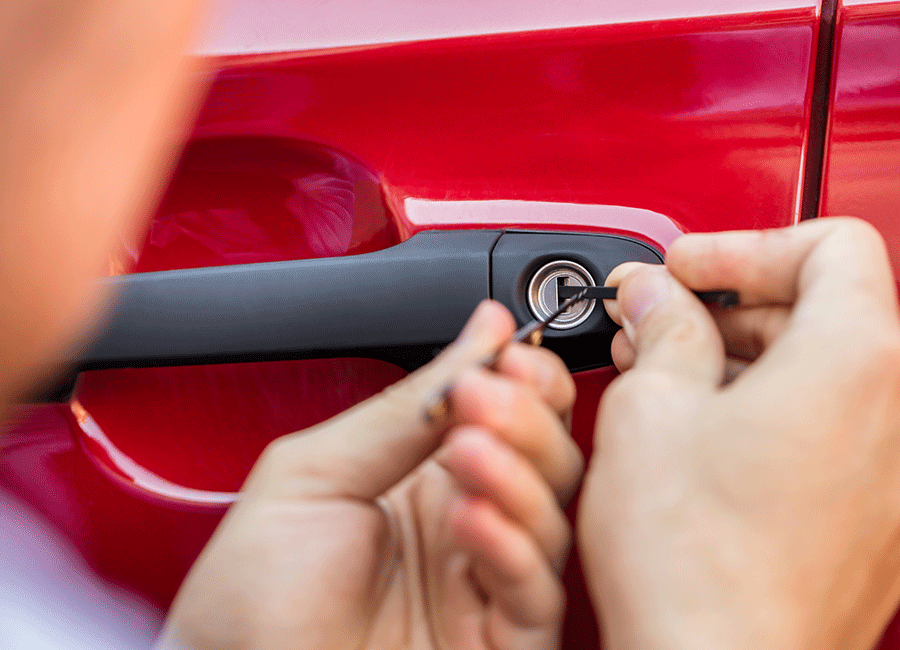
Freezing Temperatures and Lock Cylinder Jamming
Cold air sinks into every crevice when the temperature drops. Moisture inside a vehicle’s lock cylinder often freezes overnight. As a result, the key might not go in or turn properly. This problem shows up often during sharp cold snaps when warm air from earlier melts snow or ice and creates just enough condensation to refreeze deep inside the mechanism.
Water enters through small gaps around the keyhole or gets drawn in through repeated use during winter. We’ve seen drivers force keys that suddenly feel stiff, only to break them inside. That’s a tough situation, especially during a morning rush. Spraying lubricant doesn’t always solve it either. Many products freeze or gum up more, so proper care matters.
The better solution involves keeping the keyhole dry. We recommend using a de-icing solution that’s designed for locks, not generic sprays. Insert the straw nozzle right into the cylinder and flush it out gently. Doing this before cold weather hits prevents buildup. We also suggest drying your keys after snowfall to avoid bringing water straight into the lock.
Some drivers leave their vehicles running for warmth, but that exposes warm internal air to cold exterior metal, creating even more condensation risk. If your key begins sticking in late fall, that’s your early warning. Freezing conditions don’t usually create problems instantly. They build over time, especially with inconsistent temperatures.
If you’ve already dealt with stuck or frozen cylinders, an inspection might help. Our automotive locksmith services in Ottawa include preventive checks and winter maintenance for lock reliability. It’s easier to treat the issue before the freezing weather gets worse.
Alt-text: Close-up of a frozen car door lock in winter Ottawa snow
Broken Internal Springs and Frozen Tumblers
Vehicle locks rely on spring-loaded tumblers to rotate freely. Cold weather doesn’t just freeze surfaces. It stiffens the internal metal springs and plastic pieces inside the locking assembly. When this happens, even working keys may turn without unlocking the latch or not turn at all.
We often notice this in cars parked outside long-term. Extreme wind chill causes metal to contract, changing the pressure inside small springs. That alters their movement and makes the tumblers inside misalign. These parts sit hidden deep inside the door, but their response time in cold conditions changes drastically. Some drivers apply heat from a lighter or hair dryer. While that might work briefly, it can also damage paint or electronics nearby.
We recommend a safer method. Warm up the key itself using your hands or inside your pocket before inserting. That helps raise the temperature inside slightly without risk. Also, apply gentle motion rather than force. Frozen tumblers eventually shift when warmth returns. Sudden pressure only damages the key or causes internal wear.
Older locks with signs of rust or dust freeze faster. We see this often in cars over ten years old. In these cases, frozen locks may signal that the springs need replacement soon. That is to say, the problem is not only the weather but also weakened internal parts.
For vehicles with repeated locking failures in the cold, we recommend contacting locksmith services in Ottawa for full inspection. We can open jammed locks without damage and clean internal parts that may contribute to repeat freezing.
Preventive care extends the life of these locks. If yours have frozen more than once this season, that’s a good time to check deeper. Leaving it may result in bigger repairs later when parts snap or seize completely.
Alt-text: A gloved hand trying to unlock a frozen vehicle door in Ottawa
Electronic Lock Buttons and Fob Delays
Modern cars rely on electronic buttons for locking and unlocking. These systems behave differently in winter. In freezing temperatures, battery response slows down. Consequently, the fob might not send strong enough signals to the receiver, or delays between pressing the button and action can grow longer.
When you press unlock and nothing happens, most people suspect the battery first. That’s true in many cases. However, cold weather affects both the transmitter and the vehicle’s receiving antenna. Plastic panels covering door actuators also become brittle and may shift out of alignment when frozen. These combined issues can cause keyless entry to fail even when the fob is charged.
We suggest testing the fob indoors before replacing batteries. If it works fine in warmth but not outside, cold weather is likely the real cause. Try holding the fob closer to the door or near the front windshield. That improves signal strength by reducing interference from frozen panels or blocked receivers.
Another tip is to keep the fob in an inner jacket pocket. That keeps the battery warmer than in a bag or outer pocket. Vehicles parked under trees or beside tall buildings often stay colder longer. That’s why some fobs work in one spot and not another, even when the car is the same.
If problems continue, our team can test and recalibrate your vehicle’s entry system. You can contact our Ottawa locksmith technicians for help with fob issues, slow signal response, or weather-related electrical glitches.
Temperature shifts create complicated malfunctions. The best fix depends on whether the problem is mechanical or electronic. Quick troubleshooting often avoids towing or dealership delays, especially when winter hits unexpectedly.
Alt-text: Key fob next to a frozen vehicle door not unlocking properly
Ice Build-Up Around Door Seals and Handles
Not all vehicle lock problems come from the cylinder or electronics. Sometimes, the surrounding door seals freeze solid, especially after freezing rain or sudden snow melts. As a result, the handle might move, but the door stays stuck because ice seals the gap tight.
We deal with this often during January thaws followed by overnight freezes. Moisture gets trapped along the rubber seal. When it freezes, it acts like glue. Even strong tugs on the handle won’t open the door. This is common with rear doors or trunks that see less use and don’t dry out as quickly.
To prevent this, regularly wipe door seals dry and apply rubber conditioner before winter. This creates a flexible surface that repels moisture. Avoid using water-based cleaners during cold months, as they speed up ice formation. If a door does freeze shut, avoid pulling hard. That can tear the rubber or even snap the handle.
Instead, gently press around the door edges. That breaks the ice seal gradually. You can also try opening a different door first and warming the inside of the car. That internal heat slowly thaws the frozen edges from within. Remote starters help with this, as do heated garages.
If ice build-up happens frequently, there might be drainage issues under the door. Snow trapped in lower rubber tracks can melt and refreeze overnight. Our team has seen this lead to long-term damage, especially when people keep forcing the door open.
We handle stuck doors and handle problems throughout winter. You can reach out to us for emergency car lockout support in Ottawa if your vehicle doors won’t budge and you’re stranded outside.
Alt-text: Frozen ice crust sealing the frame of a locked car door in winter
Wind Chill’s Impact on Lock Response Time
Some people overlook wind chill when thinking about car lock issues. However, wind chill makes exposed metal drop below air temperature quickly. That includes door handles, keyholes, and metal frames. It causes sudden icing even on days when temperatures hover just below freezing.
Wind strips away warm air faster than the car can generate it. This accelerates freezing on any surface moisture. Locks that worked fine five minutes ago may suddenly stop responding because ice formed faster than expected. We often hear from drivers who left their car for only a short time and returned to a frozen door.
In Ottawa, wind chill makes parking strategy important. Always park with the door facing away from the wind if possible. That helps reduce direct exposure and limits the lock’s freeze rate. Underground or shielded parking also reduces wind chill damage.
We’ve also noticed that older vehicles with metal keys freeze faster than newer ones with plastic-coated keys. Metal transmits cold into the lock faster, encouraging condensation and rapid freeze-ups. Try wrapping your key briefly in your glove or palm before using it. That raises its surface temperature enough to reduce contact freezing.
If repeated cold snaps cause ongoing lock issues, it’s time to review both the parking location and lock maintenance schedule. Wind chill is an invisible problem until the moment it freezes you out.
For lock systems that behave differently depending on the weather, don’t wait until you’re stuck again. Our locksmith services in Ottawa are ready to help diagnose locks that freeze under certain conditions and not others. Quick tests and minor adjustments make a big difference in severe wind exposure areas.
Alt-text: Snow blowing against a car door exposed to Ottawa wind chill
FAQs
Why does my car key not turn in cold weather?
The lock cylinder may have moisture inside that froze overnight. Try using a proper de-icer or gently warming the key before inserting.
What should I do if my car door is frozen shut?
Press around the edges to break the ice seal. Avoid pulling the handle too hard. Use internal car heat if available.
Why doesn’t my key fob work when it’s cold outside?
Battery power and signal strength weaken in cold temperatures. Keep the fob warm in your pocket and try holding it closer to the receiver.
Can wind chill actually freeze locks faster than low temperatures?
Yes, wind chill causes exposed metal parts to lose heat quickly, which speeds up ice formation even if it’s not extremely cold.
Is it better to replace an old lock or maintain it through winter?
Maintenance is often enough. If the lock freezes frequently or has trouble unlocking even when warm, replacement might be necessary.