
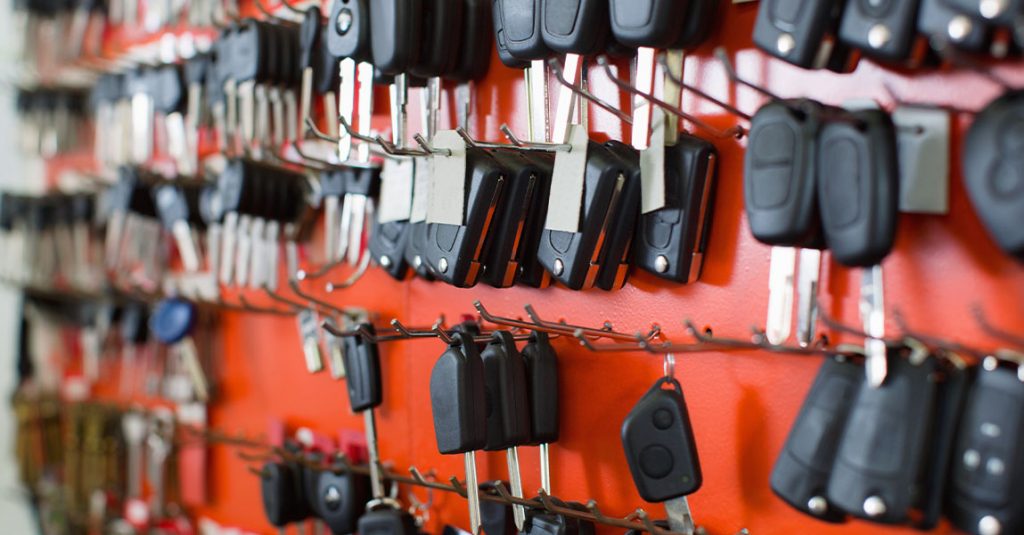
Electronic Interference Can Block Signals
Many of us expect key fobs to work instantly every time we unlock or start our cars. However, modern vehicles rely on radio frequencies and encrypted signals that don’t always behave predictably. When other electronic devices are nearby, especially those using similar frequencies, key fob signals may get disrupted. For instance, garage door openers, wireless routers, or even mobile phones can cause interference.
Nearby buildings with heavy electrical infrastructure can also affect performance. Concrete walls, metal surfaces, and underground parking lots often weaken or block signals altogether. As a result, the car might not detect the key even when it’s in your pocket.
We see this often during cold months in Ottawa. People stand in front of their vehicles pressing the fob repeatedly, unaware of the interference happening around them. That’s why knowing the environment helps. If the fob doesn’t work in one spot, moving a few feet in any direction might solve the issue.
When interference becomes a regular issue, contacting a technician can help rule out faulty components. If you need automotive locksmith Ottawa solutions, start by checking signal clarity and surroundings before assuming your fob is broken.
Common interference sources:
- Parking garages with signal blockers
- Office towers and radio antennas
- Personal gadgets like tablets or smart watches
Image alt text: Key fob signal blocked by surrounding electronics
Low Battery Often Goes Unnoticed
Some problems seem obvious but are easy to overlook. One of the most common causes of key fob failure is a dying battery. It usually doesn’t stop working suddenly. Instead, the range shortens over time, or it needs multiple presses before the car responds. Eventually, the vehicle stops recognizing the fob at all.
Most key fobs use small coin-style batteries. Although they last for years, they don’t last forever. Because they fail gradually, it’s easy to misinterpret the issue as something more complex. Therefore, if your key fob acts up, the first step should always be a battery replacement.
We recommend replacing the battery at least once every two years, even if it’s still functional. Most drivers don’t carry spare batteries, but keeping one in the glovebox can make a real difference. If the car has a push-start button, look for the emergency spot—usually next to the steering column—where you can place the fob to start the car even with a low battery.
We often help drivers who assume the issue lies with the vehicle itself. In most cases, it’s just a simple battery issue. With locksmith services in Ottawa, we can test your key fob and confirm whether it’s a battery or programming problem.
Signs of battery issues:
- Reduced range
- Weak or inconsistent response
- No lights on the key fob when pressing buttons
Image alt text: Replacing battery in modern key fob
Key Fob May Lose Programming
Modern key fobs are more than just remotes—they’re small computers synced to your vehicle. However, they can sometimes lose their pairing. This can happen after battery replacements, electrical system resets, or low voltage during startup. The fob still works, but the car no longer recognizes it.
Programming mismatches often occur after work is done on the car’s battery or security system. In other cases, faulty updates or minor glitches in the car’s onboard systems can erase the pairing. When that happens, the only fix is to reprogram the key.
That process varies by model. Some cars allow manual reprogramming using a sequence of steps involving the ignition and fob. Others require diagnostic tools. We’ve noticed some newer models won’t even respond unless a special tool is used.
In such cases, reprogramming must be done by a trained technician. Trying to pair the key manually might make things worse, especially if the steps are not followed precisely. For drivers needing fast solutions, calling for emergency help from an automotive locksmith ensures the fob and vehicle reconnect properly.
When to suspect lost programming:
- Battery was recently disconnected
- You hear no beeps or see no lights from the car when pressing the fob
- Multiple fobs fail at the same time
Image alt text: Reprogramming car key fob with diagnostic scanner
Faulty Fob Hardware or Buttons
Wear and tear happens slowly, but eventually, key fobs stop working because of internal faults. Buttons can get stuck, rubber seals break down, or circuit boards become damaged from moisture. Once that happens, the signal might not transmit at all.
If your key fob only works when pressing very hard or at a certain angle, the issue may be mechanical. Sometimes you can see signs of corrosion if the key fob has been exposed to water or humidity. This is especially common during winters in Ottawa, where condensation forms when we carry fobs from cold weather into warm homes.
Internal damage isn’t always obvious. Drops, bumps, or key fobs pressed inside tight pockets can loosen connections over time. In these cases, replacing the shell or internal contacts might restore functionality. When physical damage becomes too extensive, replacement is the only option.
For this reason, it’s smart to avoid placing heavy items on your keychain. The added stress can accelerate damage. If you’re unsure whether your fob is faulty, get it tested through trusted locksmith services in Ottawa to avoid guessing and replacing things unnecessarily.
Physical failure signs:
- Only one button works
- Key fob needs a hard press
- It rattles when shaken
Image alt text: Damaged key fob with worn buttons
Car’s Antenna or Receiver Can Malfunction
Sometimes the issue isn’t with the key fob at all. The vehicle has a receiver that listens for your key fob’s signal, and that part can fail. When the receiver becomes faulty, no key fob will work, even if it’s brand new and fully programmed.
This often surprises drivers who just replaced their key. They assume the new fob is broken, but the car isn’t hearing it. Receivers are part of the car’s electrical system and sit behind panels or near the ignition. When these get damaged by moisture, voltage surges, or age, the communication breaks down.
Some signs point directly to receiver failure. If none of your key fobs work and you’ve ruled out battery and programming issues, then it’s likely the antenna or receiver itself is the problem. Unfortunately, diagnosing this requires tools that can scan the car’s security module.
We’ve worked with many vehicles that showed no outward signs of damage, but the receiver stopped responding. For drivers stuck in this situation, professional help from a car locksmith in Ottawa makes the difference between guessing and solving the issue.
Possible signs of receiver problems:
- All fobs stop working at once
- No response from push-button ignition
- Battery and programming checks out fine
Image alt text: Technician testing vehicle receiver module
FAQ
Why does my key fob only work sometimes?
It may be caused by interference, a weak battery, or inconsistent contact inside the fob.
How do I know if my key fob battery is low?
You’ll notice reduced range, delayed response, or no light on the fob when pressing buttons.
Can a key fob lose its programming on its own?
Yes, especially after battery changes, electrical resets, or system glitches in the car.
What should I do if both my key fobs stop working?
Start by checking the vehicle’s receiver system, then test both fobs for power and signal.
Is there a way to start my car if the key fob stops working?
Most cars have a backup spot near the steering wheel where the fob can be held to start.